
My dad was 57 years old when he died.
I was at university studying for a PhD in genetics when I first found out he had late-stage oesophageal cancer. I still remember that moment, the shock as my mother tearily explained over the phone that they needed to tell me something. My dad, still trying to reassure me that everything would be ok.
My dad liked a drink, and had smoked since he was a teenager (although he gave up in later years). The damage was done early.
It will be 20 years this year since that fateful conversation. My dad fought for another 18 months before he succumbed to the disease. He never got to meet his grandkids, who I know he would have adored.
The legacy he has left, is a burning passion in me to use my scientific knowledge to live as healthily as possible, for as long as possible. To that end, I’ve spent the 20 years since learning everything I can about what I can do to extend my healthy life, and be around for as long as possible for my kids. Longevity has become a conscious pursuit.
In this article, I’ll share what I’ve learnt, and what you can do too, to maximise your chances of living a long and healthy life.
Healthy Ageing Without Billion-Dollar Experiments
Longevity isn’t just luck. Which is lucky for me, as my grandad, the longest-lived of six siblings, barely made it to collecting his free bus pass. Let’s just say it wouldn’t appear that genetics is on my side.
However, with my aspirations to reverse this depressing trend, I’ve developed an approach that, based on science, will maximise my odds, and - short of getting hit by a bus – mean I spend the second half of my life with much the same physical capacity as the first. And no, you don’t need to have a Bryan Johnson-style biohacking lab to make it happen. This is a longevity approach designed for real people, not tech billionaires.
Research into Blue Zones - the regions of the world where people consistently live past 100, from Sardinia to Okinawa - repeatedly points to the same handful of lifestyle factors. We can break it down into 4 key areas. Let’s explore each of these in more detail.
1) Are you eating the right foods?
“Eat food. Not too much. Mostly plants.” A simple mantra popularised by American journalist and food author Michael Pollan.
We all know that maintaining a healthy diet is key for long-term health. Whole, minimally processed foods are consistently linked to better outcomes, from cardiovascular health and metabolic fitness to a healthier, more diverse gut microbiome. Yet every week it seems like there’s a new “superfood” or supplement promising to stave off disease and help us live longer. Add a busy life into the mix, and some days you barely have time to think about what’s for dinner, never mind assess the latest health craze.
Does Healthy Eating Have to Be Complicated?
Rather than overhauling your entire diet overnight, a handful of simple habits can make eating well feel surprisingly manageable. Here's what I've found most effective:
- Consistency
Barack Obama famously simplified his wardrobe, wearing only grey or blue suits every day to reduce decision fatigue. You can take a similar approach with food: for example, every weekday morning I have a bowl of oat bran with blueberries. By keeping meals consistent, there’s no decision to make, so healthy choices become automatic.
- Meal boxes
Meal boxes are a simple way to ensure you’re eating nutrient-dense, well-balanced meals throughout the week, without spending hours planning, shopping, or prepping. Options range from fully prepared, oven-ready meals to boxes with ingredients and easy-to-follow recipes. Added bonus: less time wandering the supermarket aisles often means less money spent too.
- Have a ‘No-Time-Today’ Go-To Meal
Some days life just gets in the way. That’s when a reliable, healthy fallback can be a lifesaver. Beans on toast is my ‘go-to’ - quick, nutritious, and totally underrated. Having a simple standby like this means you never have to sacrifice health even when you’re pressed for time.
- Smart Snacks for When You’re Peckish
Hunger can strike between meals, or maybe if you’re a night owl like me, it’s the evening ‘nibbles’! Having a reliable snack on hand makes it easy to stick to good habits. During the day, I tend to go for a handful of nuts (what will fit in the palm of my hand is a good guide). In the evening, it’s a bowl of olives or some breadsticks with hummus.
Notice a pattern? Many of these approaches work by removing indecision. With fewer daily choices to make, the “paradox of choice” stops sabotaging your healthy habits. That’s one half of the equation – the other is what to eat.
But what should I eat?
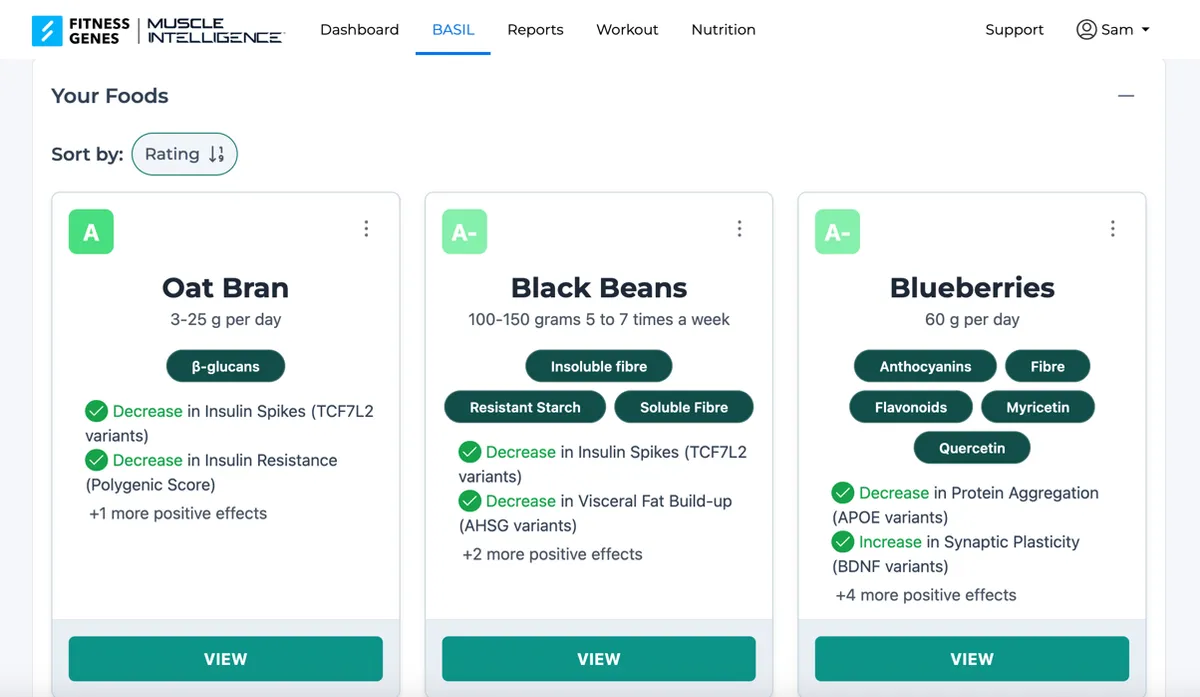
That’s where I’ve found understanding my genetics invaluable. With so many dietary options out there, it’s helped me narrow things down to a shortlist of personal “superfoods.” For example, as someone with increased predisposition towards high cholesterol, cholesterol-lowering foods are among my top recommendations. This includes foods such as oat bran, soybeans, chickpeas, apples and almonds (the latter of which I weave into my snacking, as you’ll have noticed).
I discovered I am a slow caffeine metaboliser, so I avoid caffeinated products too close to bedtime. On top of that, my genetics highlighted which supplements were likely to be most beneficial for me, including omega-3, vitamin D3, methylated B vitamins, and berberine, allowing me to tailor my supplement stack much more effectively. Without that guidance, it’s all too easy to end up with little more than very expensive wee!
2) How much exercise do you actually need?
Like a healthy diet, ‘do some exercise’ is common advice we’re all familiar with. But where should you start? If you’re not doing 3 HIIT sessions a week or running 10 miles, does that mean you’re selling your future self short? Surprisingly, not at all. You don’t need to train like an athlete or have professional-level discipline to reap the longevity benefits of exercise.
The key is consistency and covering the three essential elements of fitness: muscular strength, aerobic fitness, and mobility.
a) Muscular Strength
Incredibly, over 80% of all injury-related hospital admissions in people aged 65 and over are due to falls. Around 1 in 5 of these adults died within 12 months of discharge. The health impact and vulnerability that comes with a lack of core muscular strength highlights just how crucial it is to build and maintain muscle - and the earlier we start the better. Research shows that muscle mass and strength begin to decline from around age 30, and this is compounded by falling testosterone in men, and oestrogen in post-menopausal women, which accelerates both loss of muscle and bone density.
The good news is that you don’t need a gym membership or fancy home equipment to make meaningful gains. Bodyweight exercises, resistance bands, or a few dumbbells are enough. The key is to target larger muscle groups as a priority - legs, back, and core - to maximise functional strength, and round out your routine with work for the smaller stabilising muscles. Here are a few of my favourites, all of which can be done at home, a few times a week, as part of your regular routine:
- Lunges - sneak in a few sets while cooking or waiting for the kettle to boil.
- Bodyweight squats - do 10 while brushing your teeth in the morning and evening; use your bed or a chair for support if you’re just starting out.
- Rows with resistance bands - strengthen your back and improve posture, even while watching TV.
- Tricep dips on the sofa - simple, effective, and requires zero equipment.
- Calf raises - while waiting in queues, improves your balance and ankle strength.
b) Aerobic Fitness
Your heart is a muscle, and like every other muscle in your body, it either grows stronger with use or weaker without it. Cardiovascular disease remains the leading cause of death worldwide, yet research consistently shows that regular aerobic exercise is one of the most powerful tools we have against it. VO2 max - your body's maximum capacity to use oxygen during exercise - is now considered one of the strongest predictors of longevity. Beyond heart health, aerobic fitness is also closely linked to cognitive function, mood, sleep quality, and metabolic health. The benefits are hard to overstate.
The good news is that the bar is lower than most people think. Studies show that even moderate aerobic activity such as brisk walking, cycling, or swimming, so-called ‘Zone 2 cardio’, delivers significant health returns. You don't need to be training for a marathon. What matters most is consistency and gradually raising the challenge over time.
Aim to elevate your heart rate meaningfully for at least 150 minutes per week. The easiest way to gauge intensity is you should be able to talk, but not sing. Here are a few simple ways to build it into your everyday routine:
- Go for a walk - the most underrated exercise there is. A brisk 20-minute walk at pace in the morning sets you up physically and mentally for the day.
- Take the stairs - ditch the lift or escalator and take the stairs instead whenever you can; small changes add up.
- Get on your bike - swap a short car journey for a bike ride where possible, low impact and easy on the joints.
- Dancing - genuinely effective cardio, and fun too!
- On-the-spot intervals - a few minutes of marching, step-touches, or gentle jogging on the spot during TV ad breaks.
c) Mobility
Of the three pillars of physical health, mobility is perhaps the most overlooked, yet it underpins everything else. Poor mobility quietly erodes your quality of life long before most people even notice it: the stiffness getting out of bed, the ache after sitting down too long, the gradual shrinking of movements you once made without thinking.
The modern lifestyle is working against us here. Long hours sitting at desks, hunched over our phones, and spent on sofas, gradually tighten the hips, shorten the hamstrings, and round the shoulders. Over time, restricted movement increases injury risk, strains the joints, and places added load on the spine.
The encouraging thing is that mobility responds remarkably well to attention. You don't need long sessions or specialist classes (although these can be helpful!); small, consistent habits woven into your day can still make a meaningful difference. The goal is simply to move your joints regularly through their full range, and to counteract the positions your daily routine forces you into.
Here are a few to try out:
- Hip flexor stretch - kneel on one knee and gently push your hips forward; hold for 30 seconds each side. Essential if you sit for long periods.
- Thoracic rotations - sit cross-legged, place one hand behind your head and rotate your upper body slowly. Counteracts desk posture and improves spinal health.
- Doorframe chest opener - place your forearms on a doorframe and lean gently through. Undoes hours of hunching in minutes.
- Ankle circles - sit or stand and slowly rotate each ankle; often forgotten, but critical for balance and stability.
- Cat-cow stretch - on all fours, slowly arch and round your back in sequence. A perfect 60-second reset after long periods of sitting.
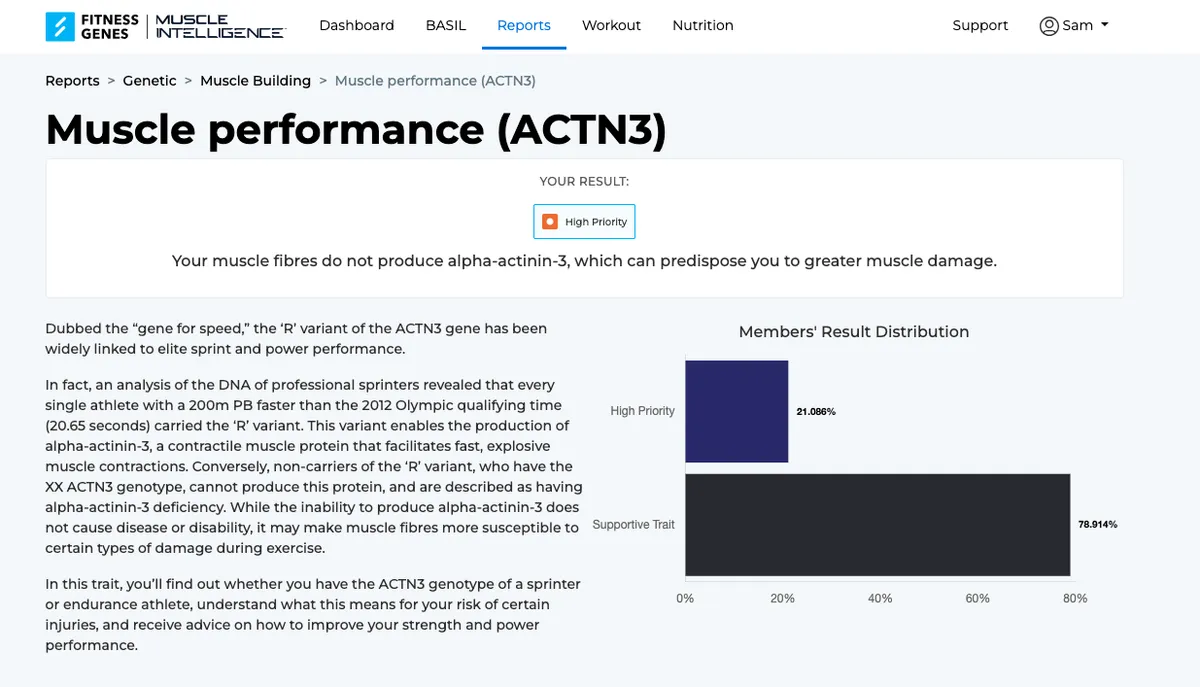
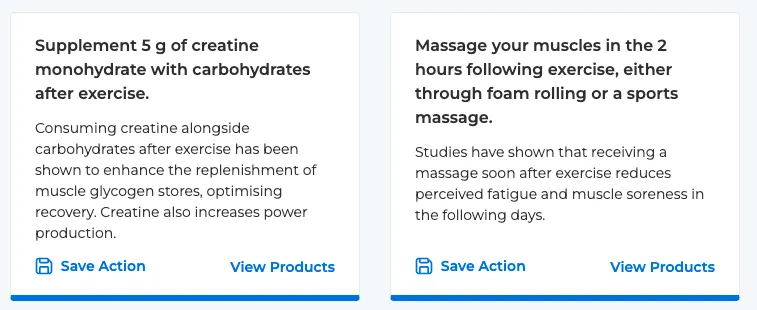
The impact of your genetics can be felt in this category too. Your DNA informs everything from your muscle fibre composition to your recovery needs and injury susceptibility. I was surprised to discover that I carry a gene variant, ACTN3, associated with slower recovery and greater susceptibility to muscle damage. For me, that means prioritising longer rest periods between sessions, incorporating active recovery techniques like foam rolling, and supporting muscle repair with supplements such as creatine.
3) Stress and Mental Resilience
Physical health is important to long life, but so too is your mental health.
Chronic stress is one of the most underestimated drivers of poor long-term health. Short bursts of stress are normal, even useful - they help us focus, respond, and adapt. But when stress becomes constant, it begins to take a real physiological toll. Cortisol, the body’s primary stress hormone, creeps up and stays up, and over time this translates into disrupted sleep, impaired recovery, increased inflammation, poorer metabolic health, and accelerated biological ageing.
In simple terms, your body doesn’t always distinguish between a work deadline, a financial worry, or an actual physical threat. The same “fight or flight” response is activated, and if it never fully switches off, the system starts to wear down. And so do you.
This is where mental resilience becomes just as important as physical fitness. Not in the sense of “toughing it out”, but in having the tools to recover, reset, and find balance in the face of everyday pressures.
The goal isn’t to eliminate stress entirely - which is neither realistic nor desirable - but to build a system that can handle it and return to baseline efficiently.
Some techniques for managing stress levels can include:
- Regular downtime - short periods of rest during the day, away from screens, can help prevent stress from quietly accumulating. Even 5 minutes of stillness can reset your baseline.
- Breathing techniques - slow, controlled breathing, particularly extending the exhale, signals safety to the nervous system and gently shifts the body out of a stress state.
- Time in nature - who doesn’t love a walk in nature? Even brief exposure to green spaces has been shown to reduce cortisol, improve mood, and restore mental focus.
- Get a pet - my other half would caveat this one, having nearly been claimed by our cats on the stairs on multiple occasions. Cute, furry assassins aside, the evidence is robust: pet ownership is linked to lower blood pressure, reduced anxiety and greater sense of purpose.
- Ditch the social media - or at least set boundaries around it; there are some great apps that can help with this now. Research consistently links heavy use with higher anxiety, lack of focus and poor concentration.
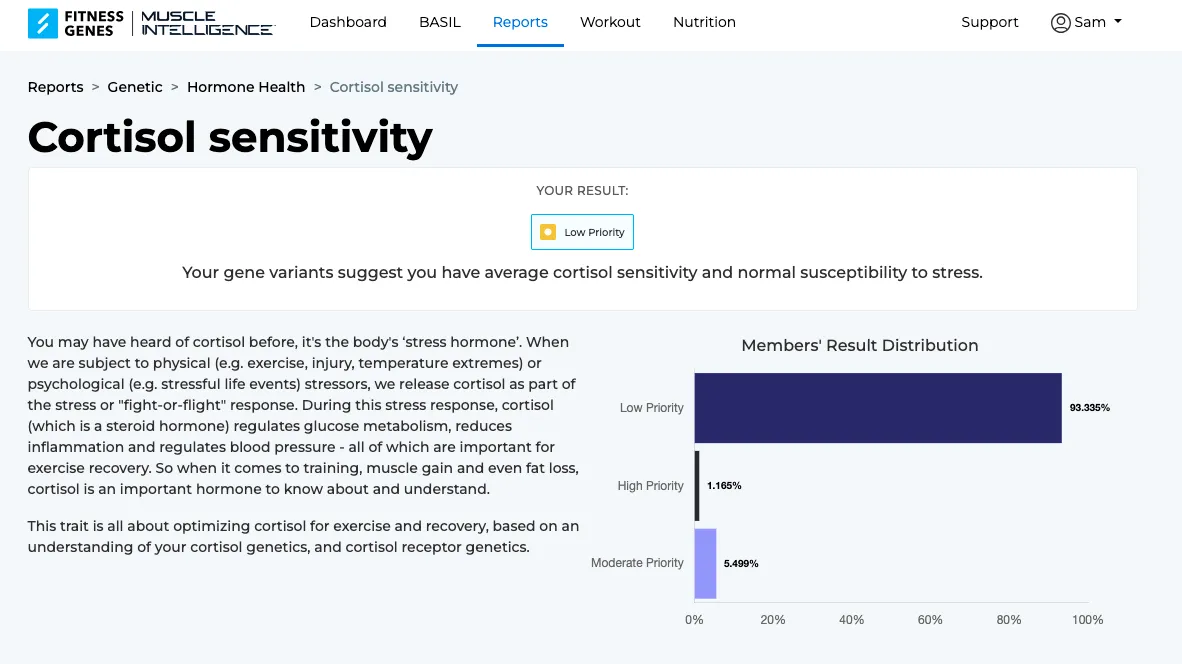
Genetics can also play a subtle role here. Variations in genes involved in stress response pathways can influence how we each perceive and respond to stress. While this doesn’t determine outcomes, it can help explain why some people are more sensitive to stressors than others, and why particular tailored strategies can be helpful.
The key thing to remember is that stress management is not a “nice to have” for your long-term health - it’s a core pillar. Just as you train your muscles and your cardiovascular system, your ability to recover from stress is something that can be strengthened over time. And like exercise and nutrition, it's the small daily habits, practised consistently, that will help you build a mental resilience to match your physical fitness.
One final factor to consider, and perhaps the most important of all, is connection. The longest-running study on happiness and health, Harvard's Study of Adult Development, found that the quality of our relationships was the single strongest predictor of a long and healthy life. Loneliness kills, literally. So join the local netball club, book the dinner, call the friend you've been meaning to catch up with. It could add years to your life.
Recovery and sleep
“If you don’t prioritise your sleep, your health will suffer, no matter what else you do.” says Dr Rangan Chatterjee. The scientific research would agree: if you could bottle the effects of a good night's sleep and sell it as a supplement, it would be the bestselling health product of all time.
During sleep, your brain consolidates memories and clears metabolic waste, your muscles repair, your hormones rebalance, and your immune system carries out some of its most important work. Skimp on it regularly, and the consequences are felt across every other pillar of health: concentration falters, appetite hormones shift towards cravings, and recovery slows.
The good news is that sleep is highly responsive to habit. You don't need to overhaul your life, you just need to be consistent about a few key things:
- Keep a regular sleep schedule - going to bed and waking at the same time every day, including weekends, is one of the single most effective things you can do. Your body clock thrives on rhythm.
- Protect the hour before bed - dim the lights, step away from screens, read a book, and give your nervous system time to wind down.
- Keep your bedroom cool and dark - your core body temperature needs to drop to initiate sleep. Around 18C is optimal.
- Watch the caffeine - caffeine has a half-life of around five to six hours, meaning an afternoon coffee is still partly in your system at midnight. As a slow metaboliser, I cut off at 2pm.
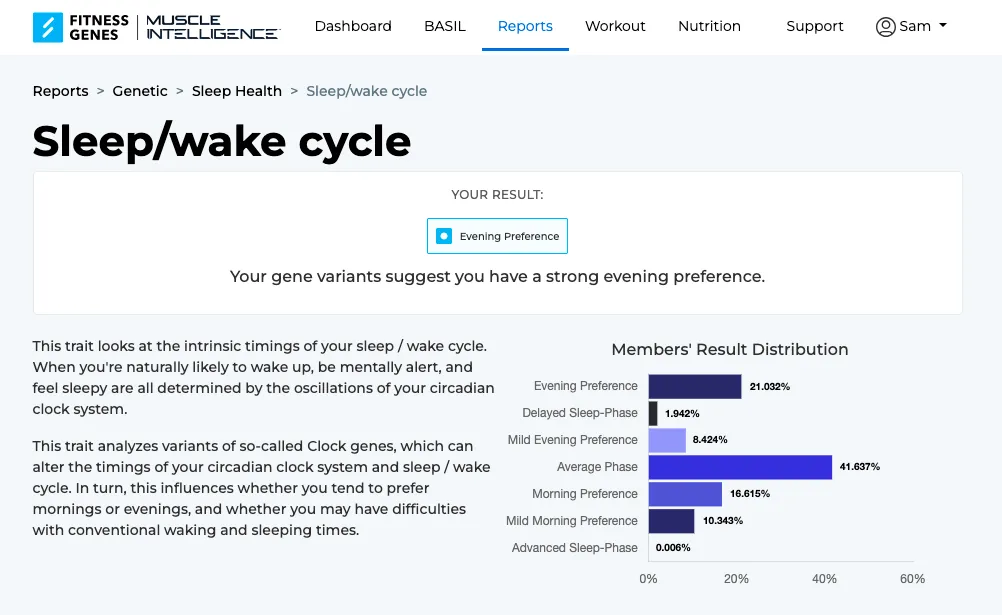
Here too, genetics has something to say. Variants in genes such as CLOCK and PER3 influence your natural sleep-wake preferences. Whether you're an early riser or a natural night owl is at least partly hardwired. I was relieved to discover I was genetically a night owl, and my struggle with early mornings wasn’t just laziness! Understanding your chronotype can help you work with your biology rather than against it, and explains why a one-size-fits-all bedtime doesn't work for everyone.
Sleep isn't a passive state, it's when your body does its most important maintenance work. Treat it as the foundation it is, ensure you’re getting at least 7 quality hours a night, and everything else you're doing for your health will work better because of it.
Taking Control of your Healthspan
For the past 20 years, I've been quietly obsessed with one question: what does it take to live longer, and better? The short answer is that it differs for each of us. I hope what I've shared here brings you a little closer to your own answer, and helps you be there for the people you love, for longer.
Along that journey, one thing has become increasingly clear: genetics sits at the heart of it all. Recent research has shown that it accounts for over 50% of the variability in human healthspan.
This doesn’t mean you’re fated to a particular outcome however. Far from it.
Think of genetics as the hardware, and lifestyle as the software. While you can optimise the software endlessly, it runs within the limits of the hardware - and, unlike your lifestyle choices, your DNA never changes.
The key point is this: your genes don't determine your fate, but they do shape your risks and predispositions. And when you understand those, you can focus your time and effort where it actually matters.
That's how you’ll get the best return on your actions - not by doing more, but by doing what's right for you.
Questions, or want to know more about any of this content? Feel free to contact me via support@fitnessgenes.com