Zinc might not dominate conversations about muscle building the way protein or creatine do, but the science makes a compelling case for paying closer attention to it.
This essential trace mineral is embedded in over 300 enzymatic reactions in the human body, many of which are directly relevant to exercise performance, muscle repair, and hormonal health.
The Biology of Zinc
Zinc is an essential mineral that the body cannot synthesise or store in significant quantities, making regular dietary intake critical. It functions as a structural component of proteins and enzymes, and is a key cofactor in DNA synthesis, cell division, and gene expression - all processes fundamental to muscle tissue repair and growth.
While overt zinc deficiency is more prevalent in low-income settings, subclinical deficiency is a legitimate concern for athletes, older adults, individuals with chronic illness, and those following low-meat or plant-based diets.
Zinc's Role in Muscle Growth and Recovery
Zinc supports muscle development through several interconnected mechanisms that include:
Hormonal regulation - Zinc is required for the synthesis and secretion of testosterone, a primary anabolic hormone driving skeletal muscle hypertrophy. Studies have shown that zinc-deficient men exhibit lower circulating testosterone levels and that supplementation can partially restore these levels, contributing to improved lean mass outcomes.
Muscle protein synthesis - Zinc acts as a cofactor for insulin-like growth factor-1 (IGF-1), which stimulates muscle protein synthesis and satellite cell activation - the process by which muscle fibres repair and grow following mechanical stress.
Exercise-induced zinc depletion - Research has demonstrated that plasma zinc levels decline significantly following both aerobic and resistance exercise, likely due to redistribution to muscle tissue for repair and the acute inflammatory response. Sweat losses during vigorous exercise compound this effect, particularly in endurance athletes training in warm conditions.
Proteostasis and oxidative stress - Zinc plays a critical role at the intersection of exercise and proteostasis - the cellular process of maintaining protein balance. It acts as an antioxidant cofactor, helping to mitigate exercise-induced oxidative damage that can impair recovery and muscle function.
How much zinc do I need?
The Recommended Dietary Allowance (RDA) established by the Institute of Medicine is 11 mg/day for adult men and 8 mg/day for adult women. These figures represent the minimum intake to prevent deficiency in the general population - athletes and individuals under high physiological stress may benefit from intakes closer to the upper range.
The tolerable upper intake level (UL) is set at 40 mg/day. Chronic intake above this threshold can interfere with copper absorption and immune function, so supplementation should remain within safe limits.
For athletes specifically targeting testosterone optimisation to support resistance training, a supplemental dose of 25-30 mg/day has been proposed as clinically relevant, though individual response will vary.
What are the best dietary sources of zinc?
Animal-derived sources provide the most bioavailable form of zinc (zinc from animal tissue is not bound by absorption inhibitors):
- Oysters - one of the most concentrated dietary sources; 6 oysters can deliver roughly three times the daily RDA
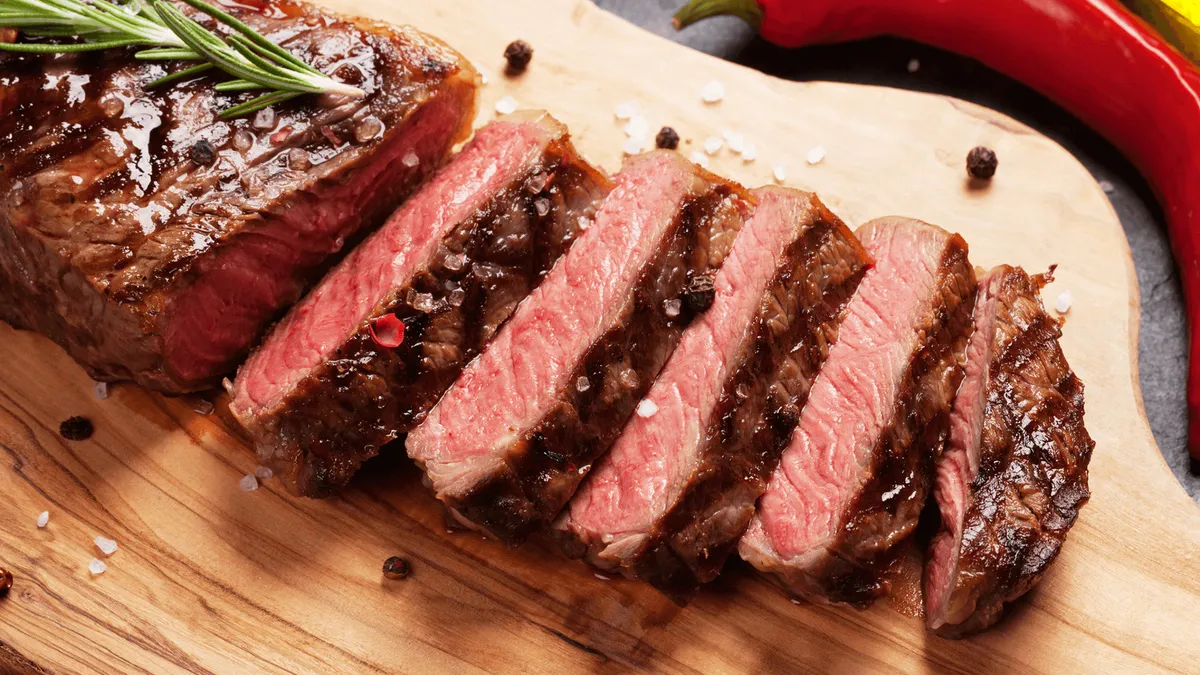
- Red meat - a 100 g serving of ground beef provides approximately 4-6 mg of zinc, roughly half the male RDA
- Poultry and seafood - moderate but consistent contributors
Plant-based sources offer meaningful amounts but come with an important caveat:
- Legumes, nuts, seeds, and whole grains can contribute 10-40% of daily needs per serving
- However, these foods contain phytates (phytic acid), which chelate zinc ions and significantly reduce intestinal absorption - meaning the effective zinc yield is considerably lower than the raw content suggests.
Those following plant-based diets are advised to account for this reduced bioavailability either by consuming more zinc-rich plant foods or by supplementing.
Should I be supplementing with zinc?
Zinc supplements are available in several forms, including zinc gluconate, zinc citrate, and zinc picolinate - the latter two generally demonstrating superior bioavailability. Standard supplements provide 15-30 mg per serving.
Supplementation is most warranted for individuals who train regularly and have difficulty meeting their RDA through diet alone, particularly those following plant-based or calorie-restricted diets. For athletes, ensuring adequate zinc status is a low-cost, evidence-supported strategy to optimise recovery, hormonal health, and muscle adaptation.
How can our genetics influence our zinc requirements?
It's worth noting that optimal zinc intake varies across individuals. Genetic variation in zinc transporter proteins (notably SLC30A and SLC39A gene families) can influence both zinc absorption efficiency and tissue utilisation. A personalised DNA analysis can identify whether you carry variants associated with increased zinc requirements, helping you tailor your intake more precisely.
Summary
Zinc is a scientifically well-supported micronutrient for muscle health - not a marginal consideration. Ensuring adequate intake through diet and, where appropriate, supplementation is a rational step for anyone serious about training performance and recovery.
References
Bhowmik, D., & Kumar, K.P.S. (2010). A potential medicinal importance of zinc in human health and chronic disease. International Journal of Pharmaceutical and Biomedical Sciences, 1(1), 5–11.
Hernández-Camacho, J. D., Vicente-García, C., Parsons, D. S., & Navas-Enamorado, I. (2020). Zinc at the crossroads of exercise and proteostasis. Redox Biology, 35, 101529. https://doi.org/10.1016/j.redox.2020.101529
King, J. C., Brown, K. H., Gibson, R. S., Krebs, N. F., Lowe, N. M., Siekmann, J. H., & Raiten, D. J. (2016). Biomarkers of nutrition for development (BOND) — zinc review. The Journal of Nutrition, 146(4), 858S–885S. https://doi.org/10.3945/jn.115.220079
Maxfield, L., Shukla, S., & Crane, J. S. (2022). Zinc deficiency. In StatPearls. StatPearls Publishing. htps://www.ncbi.nlm.nih.gov/books/NBK493231/
Prasad, A. S., Mantzoros, C. S., Beck, F. W. J., Hess, J. W., & Brewer, G. J. (1996). Zinc status and serum testosterone levels of healthy adults. Nutrition, 12(5), 344–348. https://doi.org/10.1016/S0899-9007(96)80058-X
Vincent, J. B., & Neggers, Y. (2013). Roles of chromium(III), vanadium, and zinc in sports nutrition. In V. R. Preedy (Ed.), Nutrition and Enhanced Sports Performance (pp. 447–454). Academic Press.
Wani, A. L., Parveen, N., Ansari, M. O., Ahmad, M. F., Jameel, S., & Shadab, G. G. H. A. (2017). Zinc: An element of extensive medical importance. Current Medicine Research and Practice, 7(3), 90–98. https://doi.org/10.1016/j.cmrp.2017.04.001