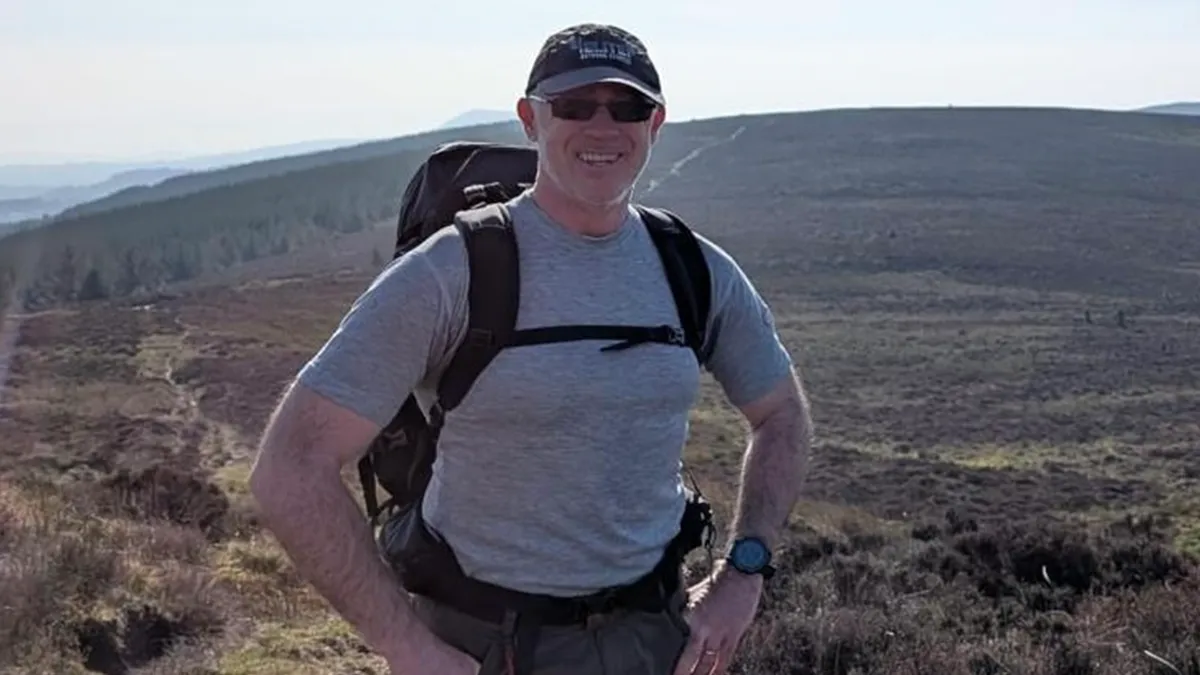
Struggling with weight gain, muscle loss, and poor sleep despite following structured training and nutrition plans, Marc turned to FitnessGenes to find out why his hard work wasn't delivering results.
By understanding his genetic profile and applying the personalised insights to his training and nutrition, he went on to lose nearly 12kg, build muscle, and significantly improve his aerobic fitness in just seven months.
Why did you take a FitnessGenes DNA test, and what were you hoping to achieve?
I was interested to see whether the results would provide insights into certain aspects of my health and training performance.
My main focus was understanding weight loss and how my body responds to training. I had gained weight and, despite following a structured 12-week training and nutrition plan, I only lost 1lb. That told me there was likely something else influencing my results. I wanted to better understand how my body works and whether my genetics could explain some of the challenges I was experiencing. The FitnessGenes report provided that clarity.
My biggest challenges were losing weight, building strength, and improving speed. I often felt that I was working extremely hard without seeing the results I expected.
What did you learn from the test?
What the FitnessGenes DNA test provided was a much clearer understanding of how my body is wired, allowing me to take a more focused and personalised approach to both my diet and training.
I was around 48 when I took the test, and the results were both surprising and enlightening. They answered many of the questions I had about my health and fitness. As I got older, I started gaining weight, losing muscle mass, and experiencing poor sleep, among other issues. After undergoing thyroid tests that came back normal, I began to wonder whether low testosterone might be a contributing factor.
The original FitnessGenes report was completed before I started Testosterone Replacement Therapy (TRT). Since then, I’ve undergone regular blood testing, and I’ve been surprised by how closely many of those results align with the insights provided by the genetic report.
What I found most impressive was that the FitnessGenes analysis is based on a simple saliva sample, yet many of the findings reflected what later showed up through more comprehensive blood testing. That gave me greater confidence in the value of the report and the insights it provided.
What did you discover about your diet and weight management?
One of the most interesting findings was that I have a genetic variant associated with reduced fat burning and slower weight loss when following a low-calorie diet. That was particularly relevant because it closely matched my own experience.
Alongside the FitnessGenes report, I completed a food intolerance test and removed eggs, dairy, and gluten from my diet for three months. I later reintroduced eggs and now keep dairy intake relatively low.
I currently maintain a daily intake of around 2,000 calories, which allows me to maintain my weight while still having enough energy to train five to six days per week. When preparing for longer runs of 10 miles or more, I may increase my carbohydrate intake slightly, depending on the demands of the training week.
How has the report helped with your training?
One of the most valuable aspects of the FitnessGenes platform is the ability to download and share reports with my trainer. The insights help build a clearer picture of how my body responds to training and why my progress may differ from someone else’s. While it’s important not to compare ourselves to others, the information has helped us structure training more effectively and set realistic, achievable goals.
Did any findings surprise you on a personal level?
One report that particularly resonated with me was the “Addictive and Impulsive Eating” assessment, where I scored highly. While that result wasn’t entirely surprising, it helped me better understand why maintaining a calorie deficit could be so challenging.
At one stage, I was training six times a week while consuming only 1,700–1,800 calories per day. Although it’s possible to eat a reasonable volume of food at that intake level, I often felt hungry. Understanding that some of these tendencies may be influenced by my genetics helped me approach nutrition with greater awareness and a more realistic mindset.
What have you implemented from your results, and what impact has it had?
With a clear understanding of my genetic profile, my Physical Training Instructor (PTI) was able to design a training and nutrition plan tailored specifically to me and aimed at maximising results.
After following the plan for seven months, I’m pleased to say that I’ve lost nearly 12kg, gained muscle, and significantly improved my aerobic fitness. While I may not be 21 again, my overall health is considerably better. I firmly believe that this progress has been driven by the personalised insights and guidance I gained from taking the FitnessGenes DNA test.