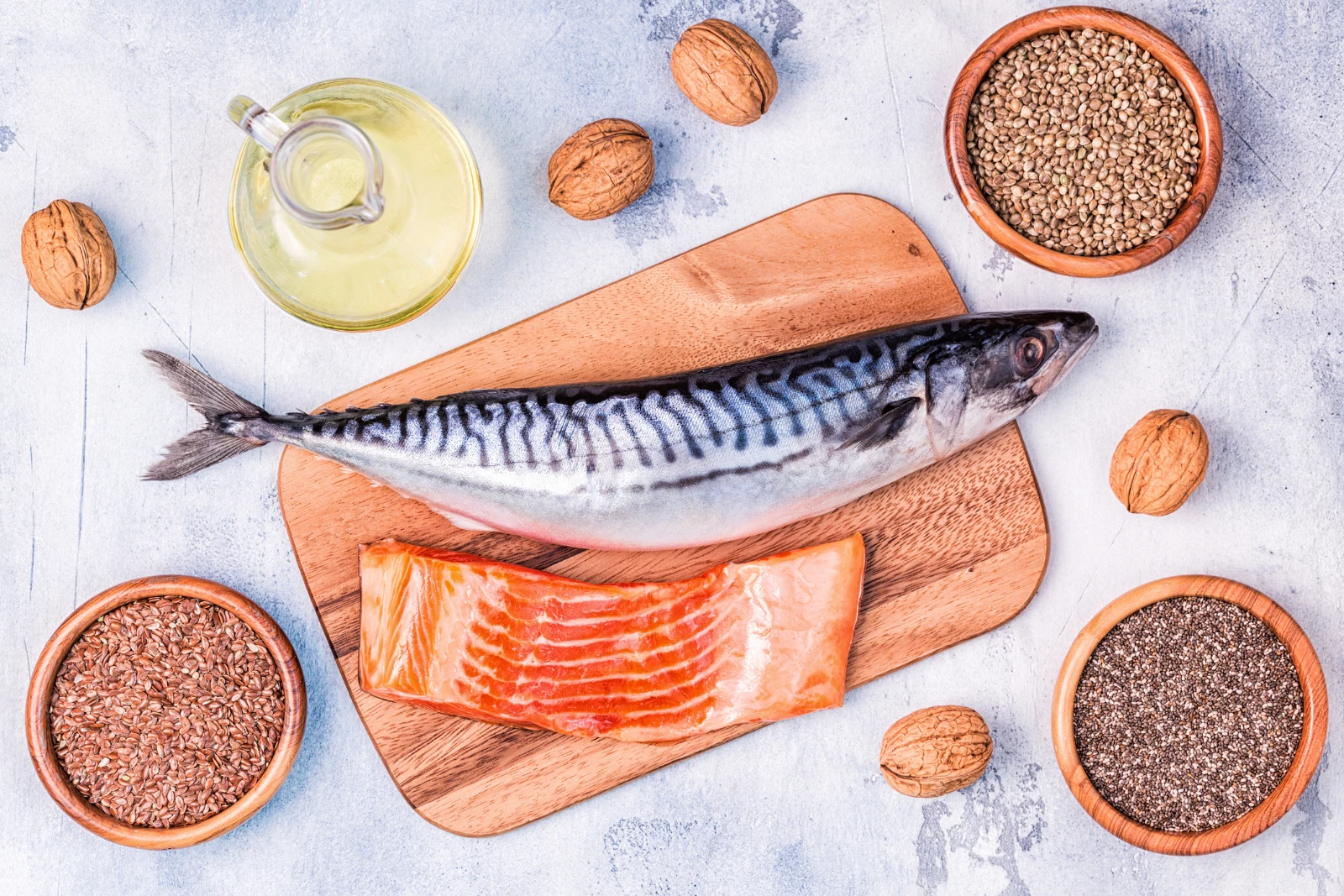
Oily fish - salmon, mackerel, sardines, herring and anchovies - has one of the widest reaches across the biology of ageing of any food group. Its long-chain omega-3 fats, EPA and DHA, arrive ready-made, and research links them to lower inflammation, a healthier heart rhythm, less liver fat, better-preserved muscle, improved sleep and a better-protected brain. Your genes, particularly APOE, influence how much you need and how much benefit you get.
If you're investing in healthspan rather than just lifespan, few single dietary changes reach as many of the markers you're already tracking as a regular portion of oily fish.
Why is oily fish different from other "healthy" foods?
Most foods with an omega-3 halo - flaxseed, walnuts, chia - contain ALA, a plant omega-3 the body has to convert into EPA and DHA before it can use it. That conversion is inefficient, especially in men and postmenopausal women. Oily fish skips the step entirely, delivering EPA and DHA directly, and the gap between oily and lean fish is large: an 85g serving of salmon provides roughly thirteen times more combined EPA and DHA than the same serving of cod.
The fats you absorb become part of the membranes of almost every cell in the body, from neurons and heart muscle to liver cells and bone. That's why omega-3 status shows up across so many systems at once, and why it has emerged as a surprisingly strong predictor of long-term outcomes. In the Framingham Offspring Cohort, a small set of red blood cell fatty acid measures, including the Omega-3 Index, predicted risk of death over the following 11 years as well as standard risk factors such as cholesterol, blood pressure and smoking status did (McBurney et al., 2021).
How does BASIL rank omega-3 for longevity?
BASIL (Biological Assessment System for Improved Longevity) is FitnessGenes' longevity platform. It uses your DNA and other health data to rank the daily actions most likely to have the greatest impact on your long-term health - and omega-3 sits near the very top.
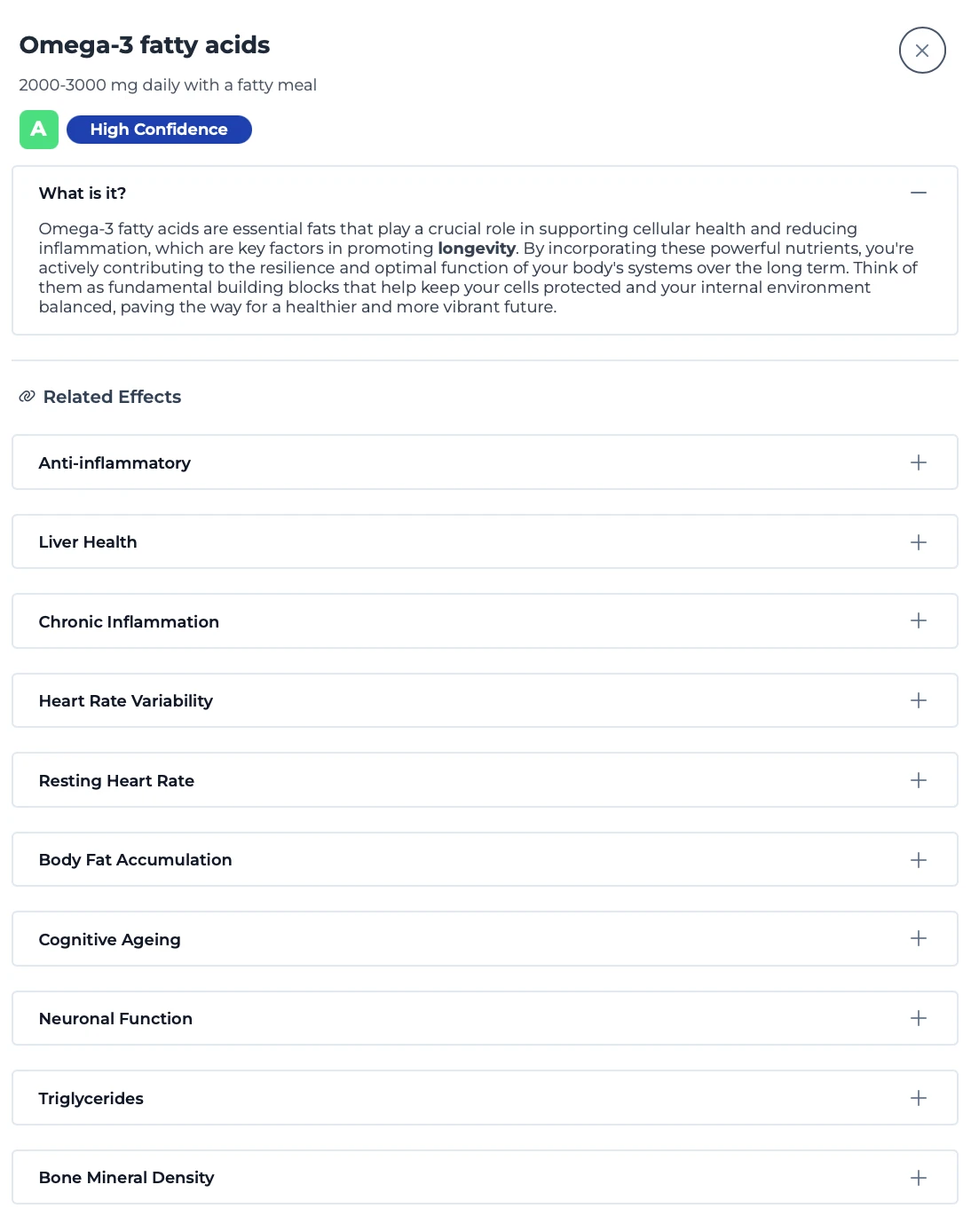 What makes omega-3 stand out in BASIL isn't one dramatic effect, but its breadth. Its related effects span the anti-inflammatory response and chronic inflammation, liver health and triglycerides, body fat accumulation, heart rate variability and resting heart rate, cognitive ageing and neuronal function, and even bone mineral density. Few other single interventions connect to so many of the systems that decline with age - which is exactly why oily fish, the richest food source, earns its reputation.
The recommended daily intake of EPA and DHA for healthy adults is often 250-450 mg - roughly what two portions of fish a week, one of them oily, would provide.
Yet most people don't reach even the lower end of that range. An analysis of 266 nutrition surveys covering more than 1.6 million adults found that the global average intake of seafood omega-3 was just 163 mg a day, and that countries representing only 18.9% of the world's population met the 250 mg target (Micha et al., 2014). Blood levels tell the same story: a 2024 update of the global Omega-3 Index map, drawing on 328 studies and nearly 343,000 people, found that most countries - including the UK - fall into the low or very low categories, well short of the desirable level (Schuchardt et al., 2024).
BASIL's recommendation of 2,000-3,000 mg a day goes well beyond that baseline, because it's aimed at longevity rather than simply avoiding a shortfall. It lines up closely with the research: the trials showing the clearest effects on inflammation and ageing biomarkers typically used around 2-2.5 g per day, and taking omega-3 with a meal containing fat improves how well it's absorbed. For most of us, reaching that level means changing our habits on purpose, rather than hoping a typical diet covers it.
The sections below work through each of these impact areas and what the evidence says.
Can omega-3 calm chronic inflammation?
Ageing is accompanied by a slow rise in background inflammation, with inflammatory messengers such as IL-6 and TNF-α creeping upwards over time. Higher levels of these cytokines are linked to faster decline in muscle, brain and cardiovascular health.
One of the clearest demonstrations of omega-3's anti-inflammatory effect on ageing biology comes from a randomised controlled trial in 138 sedentary, overweight, middle-aged adults. After four months, those taking 2.5 g of omega-3 per day had 33% lower IL-6 and 19% lower cortisol during a stressful task than the placebo group.
The wider picture is more mixed, and it's worth being honest about that. A 2026 meta-analysis of nine trials found no significant overall effect of omega-3 or omega-6 supplementation on IL-6, CRP or TNF-α (Huang et al., 2026), while another pooling 41 trials in active people found moderate reductions in IL-6 and TNF-α, with the strongest effects at doses of 2 g per day or more taken for at least six weeks (Li & Zhang, 2026). The pattern suggests dose and consistency matter a great deal - and that the occasional fish supper probably won't shift chronic inflammation on its own.
How does oily fish protect against cognitive ageing - and why does APOE matter?
DHA is one of the main structural fats in the brain, essential for neuronal function - the way brain cells signal to one another. The brain can't make meaningful amounts of it, it depends on a steady supply from the blood. This is where the APOE gene comes in. APOE produces a protein that transports fats, including DHA, around the body and into the brain, and its ε4 variant is the strongest known genetic risk factor for late-onset Alzheimer's disease.
A review of the research found that DHA metabolism is disrupted in ε4 carriers, resulting in lower brain DHA levels, and that ε4 carriers are more vulnerable to the effects of a diet low in omega-3 (Nock et al., 2017). In animal studies, a DHA-rich diet prevented brain atrophy in APOE4 mice and reduced markers of brain inflammation, including activation of the brain's immune cells (Lessard-Beaudoin et al., 2021).
There's also an intriguing argument for fish specifically, rather than capsules alone. Researchers have noted that ε4 carriers appear to respond well to the DHA found in fish but less consistently to standard fish oil supplements, and have proposed that the phospholipid form of DHA in whole fish may reach the brain more readily in these individuals (Patrick, 2019). That remains a hypothesis rather than an established fact, but it's a compelling reason to treat oily fish as the foundation of your intake.
What does omega-3 do for your resting heart rate and HRV?
If you wear a fitness tracker, resting heart rate and heart rate variability (HRV) are probably two of the numbers you check most. Both shift with age - resting heart rate tends to creep up and HRV tends to fall - and both are linked to long-term cardiovascular health and how well your nervous system handles stress.
A meta-analysis of 30 randomised, placebo-controlled trials found that fish oil lowered resting heart rate by an average of 1.6 beats per minute. The effect was larger - 2.5 beats per minute - in people whose starting heart rate was 69 bpm or above, and in trials lasting 12 weeks or longer (Mozaffarian et al., 2005). Food appears to work too: in a trial where participants ate Atlantic salmon three times a week through the winter, the fish group showed improvements in resting HRV compared with a control group eating chicken, pork or beef instead (Hansen et al., 2014). The longer-trial effect is a reminder that, as with inflammation, consistency over months is what moves the numbers.
How does omega-3 affect liver health, triglycerides and body fat?
Fat that builds up in the liver is one of the earliest signs of metabolic trouble, and it often goes unnoticed until it shows up in blood markers such as raised triglycerides or liver enzymes. Liver fat is closely tied to body fat accumulation - particularly visceral fat (the fat that surrounds your organs) - as well as insulin resistance and cardiovascular risk, all of which tend to rise with age.
A meta-analysis of 22 randomised trials involving 1,366 people found that omega-3 supplementation significantly reduced liver fat compared with placebo, while also lowering triglycerides by an average of around 28.6mg/dL, raising HDL cholesterol and modestly reducing BMI (Lee et al., 2020). A more recent analysis of 20 trials confirmed improvements in fatty liver assessed by ultrasound and in the liver enzyme GGT, though it didn't find a significant effect when liver fat was measured by MRI (Kim et al., 2025). Taken together, omega-3 looks like a genuine supporting lever for liver health and triglycerides rather than a standalone fat-loss fix - and if you already track your lipids through regular blood testing, triglycerides are one of the markers most likely to respond.
Can oily fish support bone mineral density?
Bone density declines steadily from midlife, especially in women after menopause, and it's one of the less obvious areas where omega-3 may play a role. The evidence here is still developing: one review of 28 trials found low-quality evidence that increasing omega-3 raised lumbar spine bone mineral density by 2.6% (Abdelhamid et al., 2019), while a larger 2023 meta-analysis of 19 trials found no significant overall effect, but did find small gains in femoral neck density in women and in people under 60 (Gao et al., 2023).
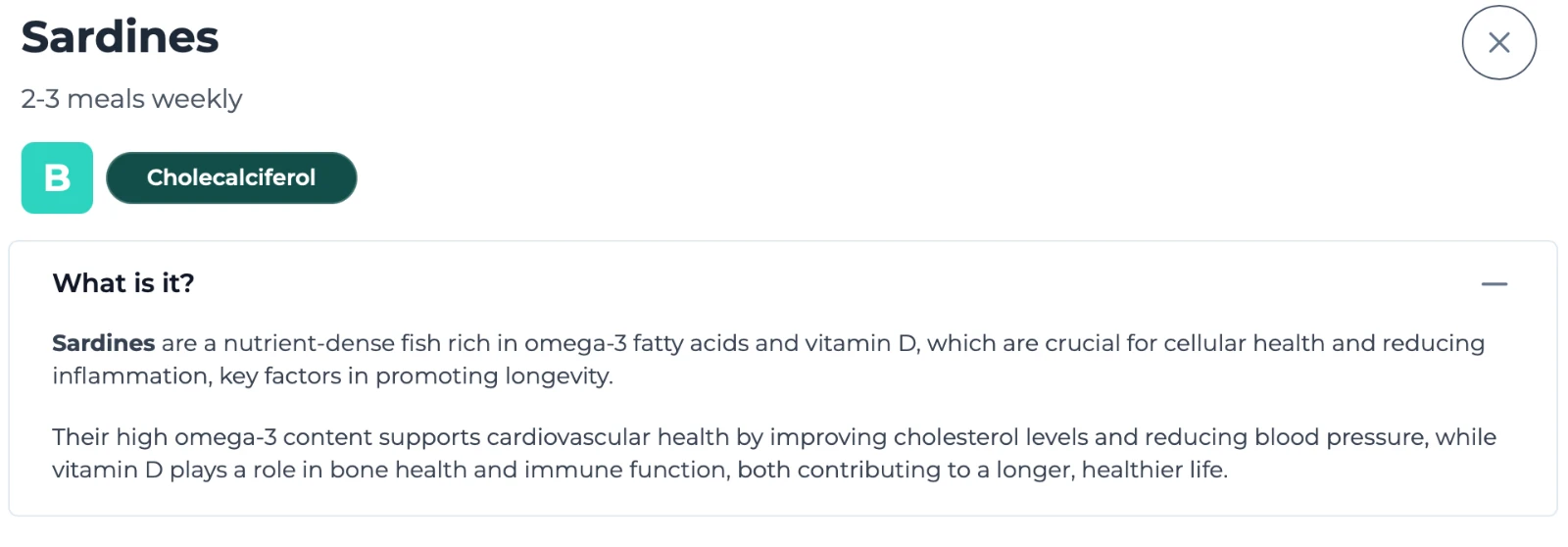
This is where whole fish has an advantage over a capsule. Oily fish is also one of the few natural food sources of vitamin D, and tinned sardines eaten with their soft bones provide calcium as well - two nutrients with a well-established role in bone health.
Can eating oily fish help you hold on to muscle as you age?
From midlife onwards, muscle mass and strength decline steadily, partly because ageing muscle becomes less responsive to the signals - protein and training - that normally trigger growth. This "anabolic resistance" is one of the main drivers of frailty, falls and loss of independence later in life.
Omega-3 appears to help counter it. In a six-month randomised trial of healthy 60-85-year-olds, fish oil-derived omega-3 increased thigh muscle volume by 3.6%, handgrip strength by 2.3 kg and one-rep-max strength by 4.0% compared with a control group - without any change to their exercise habits (Smith et al., 2015). Muscle is one of the strongest predictors of healthy ageing, so preserving it is as much a longevity strategy as a fitness one, and it works best alongside adequate protein and regular resistance training.
Do low omega-3 levels affect how well you sleep?
Sleep quality tends to fragment with age, and omega-3 status may be one overlooked contributor. DHA is involved in producing melatonin, the hormone that regulates your sleep-wake cycle, and lower blood DHA has been associated with poorer sleep.
In a large UK study of children, lower blood DHA was linked to more sleep disturbance, and in a small subgroup whose sleep was tracked objectively, 16 weeks of DHA supplementation led to seven fewer night-time wakings and 58 more minutes of sleep per night on average - an early but striking result (Montgomery et al., 2014). In the adult salmon trial mentioned above, the control group's time taken to fall asleep worsened over the winter while the fish group's didn't, and the fish group reported better daily functioning (Hansen et al., 2014). Evidence in adults is still limited, but it points in a consistent direction.
How much oily fish do you actually need?
UK guidance recommends at least two portions of fish a week, one of which should be oily. BASIL's food recommendations go a step further, suggesting 100-200 g of salmon one to two times a week, 100-200 g of mackerel a few times a week, and sardines in two to three meals weekly.
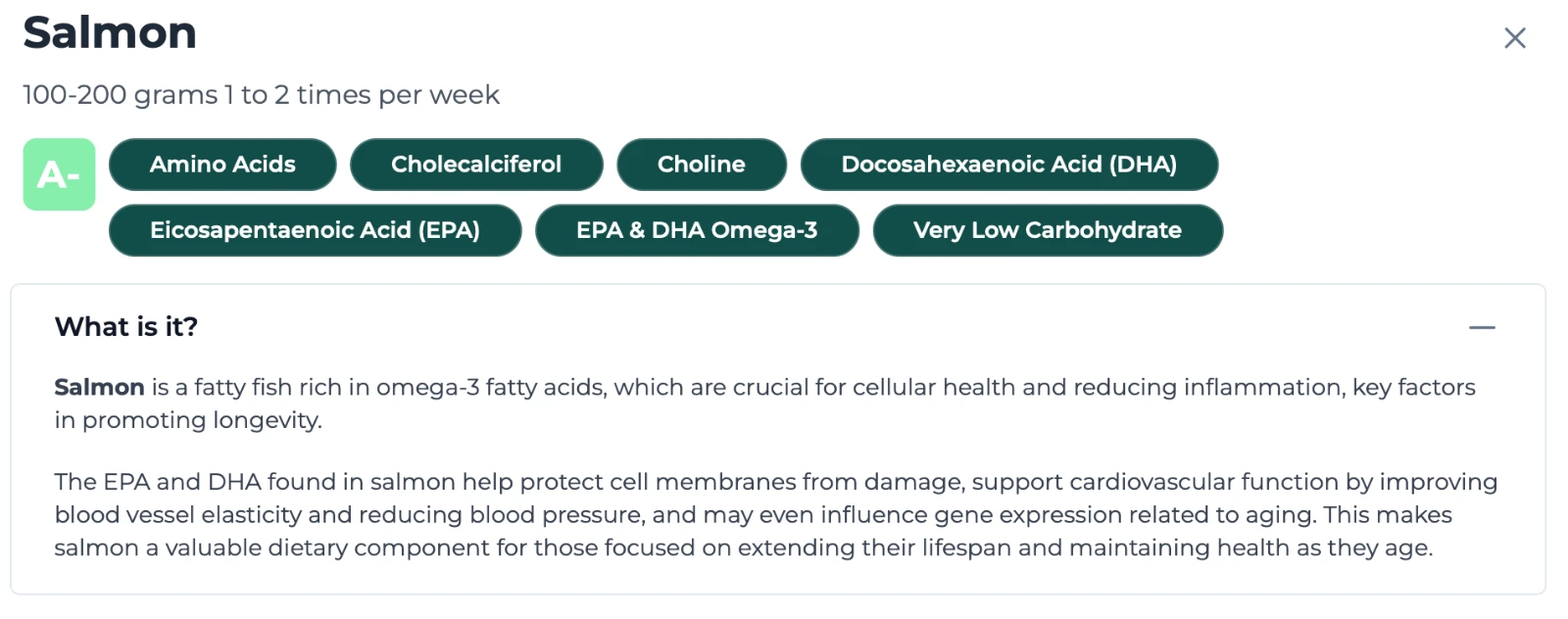
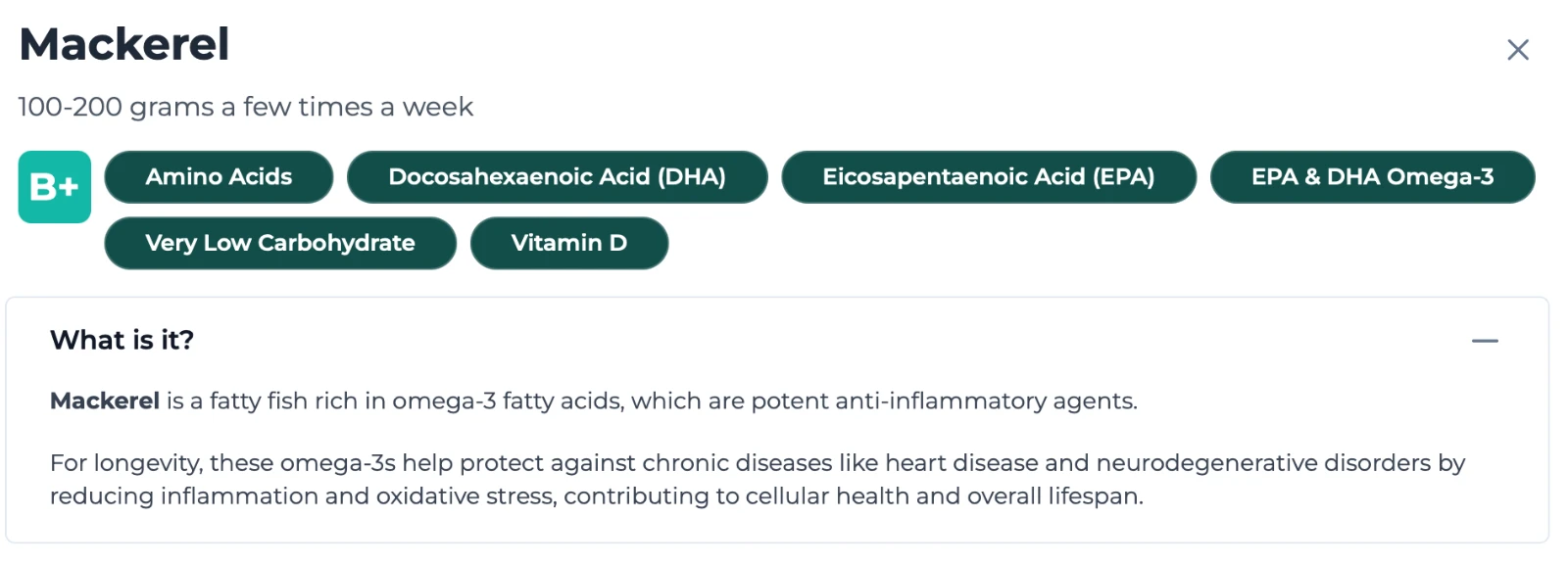
Species matters more than frequency: mackerel, sardines, herring, anchovies and salmon are the richest sources, while tuna and white fish contribute far less. Farmed salmon has also become less rich in omega-3 over the past decade as feed has shifted towards plant oils. If you don't eat fish, algae oil is the one plant-based source that supplies EPA and DHA directly. The most reliable way to know whether your intake is enough is to measure it, since the Omega-3 Index reflects your intake over the previous few months.
What can your DNA tell you about your omega-3 needs?
Your genes don't change the core advice - eat oily fish - but they do influence how big your personal gap is and how quickly a shortfall develops. A FitnessGenes DNA analysis looks at variants in FADS1, FADS2 and ELOVL2, the genes that govern how efficiently your body converts plant omega-3 into EPA and DHA. If you carry slower-converting variants and rarely eat oily fish, your reliance on direct sources is greater than average.
APOE adds a further layer. Knowing whether you carry the ε4 variant helps explain why consistent daily intake of DHA may matter more for you than for someone else, and why oily fish in particular is worth prioritising.
Through the TrueTrait™ model, these genetic results are combined with your diet and lifestyle answers, and BASIL then ranks them alongside your other health data - so recommendations like the ones above reflect both what your biology predisposes you to and what you're actually doing day to day.
BUY A DNA TEST - find out how efficiently you use omega-3.
How can you find out your own Omega-3 Index?
Your DNA tells you how prone you are to a shortfall; a blood test tells you whether you actually have one. The simplest way to check is an at-home test such as the Zinzino BalanceTest, which measures the fatty acids in your blood from a small finger-prick sample. You collect a few drops of blood onto a card at home, post it to an independent laboratory for analysis, and receive your results online.
Your results show your Omega-3 Index - the share of EPA and DHA in your red blood cells - so you can see exactly where you sit against the 8% level linked to the greatest cardiovascular protection. The report also includes your omega-6 to omega-3 ratio. That can be a useful snapshot of your overall diet, but the Omega-3 Index is the better number to act on, since it measures EPA and DHA directly.
Because red blood cells are replaced roughly every 120 days, the index reflects your intake over the previous few months rather than your last few meals. That makes it ideal for tracking progress: test once to get your baseline, follow your BASIL food and supplement recommendations consistently, then retest after around four months to see how far your levels have moved. Pairing the two gives you the full picture - your genes explain why your gap exists, and your blood results show whether you're closing it.
Order your Zinzino Balance Test.
FAQs
What is BASIL?
BASIL (Biological Assessment System for Improved Longevity) is FitnessGenes' longevity platform. It uses your DNA and other health data, through the TrueTrait™ model, to objectively rank your health data and highlight the daily actions - such as foods and supplements - likely to have the greatest impact on your long-term health.
Is oily fish better than taking an omega-3 supplement?
For most people, oily fish is the better foundation. It provides EPA and DHA alongside protein, vitamin D, choline, selenium and iodine, and there's some evidence that the phospholipid form of DHA in fish may be particularly well used by the brain. A supplement is a practical way to reach a higher, more consistent daily intake, which is why BASIL recommends both.
Which oily fish has the most omega-3?
Mackerel, herring, sardines, anchovies and salmon are the richest sources. Tuna - especially tinned - and white fish such as cod contain far less, so they don't count towards your oily fish portions.
If I carry the APOE ε4 variant, should I eat more oily fish?
Research suggests ε4 carriers handle DHA differently and may be more vulnerable to low omega-3 intake, which makes regular, consistent intake particularly worthwhile. Carrying ε4 isn't a diagnosis of anything, and any significant change to your diet or supplementation is best discussed with a healthcare professional.
Can omega-3 improve my HRV or resting heart rate?
It can help. Fish oil has been shown to lower resting heart rate by around 1.6 bpm on average, and more in people with a higher starting heart rate or after 12 weeks or more. Eating salmon regularly has also been linked to improved resting HRV, so these are good metrics to watch on your wearable after increasing your intake.
Will eating more oily fish improve my blood test results?
It may. Omega-3 intake is consistently linked to lower triglycerides and higher HDL cholesterol, and it can improve markers of liver health such as GGT. If you already track these through regular blood testing, they're useful markers to watch after increasing your intake.
References
Abdelhamid A, Hooper L, Sivakaran R, Hayhoe RPG, Welch A. (2019). The relationship between omega-3, omega-6 and total polyunsaturated fat and musculoskeletal health and functional status in adults: a systematic review and meta-analysis of RCTs. Calcified Tissue International, 105(4), 353-372. https://doi.org/10.1007/s00223-019-00584-3
Gao J, Xie C, Yang J, et al. (2023). The effects of n-3 PUFA supplementation on bone metabolism markers and body bone mineral density in adults: a systematic review and meta-analysis of RCTs. Nutrients, 15(12), 2806. https://doi.org/10.3390/nu15122806
Hansen AL, Dahl L, Olson G, Thornton D, Graff IE, Frøyland L, Thayer JF, Pallesen S. (2014). Fish consumption, sleep, daily functioning, and heart rate variability. Journal of Clinical Sleep Medicine, 10(5), 567-575. https://doi.org/10.5664/jcsm.3714
Huang Z, Zhan X, Jin J, Jin Q. (2026). Regulation of inflammation by omega-3 and omega-6 fatty acids: a meta-analysis of randomized trials. Frontiers in Nutrition, 13, 1799601. https://doi.org/10.3389/fnut.2026.1799601
Kim SJ, Cho SH, Yun JM. (2025). Omega-3 polyunsaturated fatty acids and nonalcoholic fatty liver disease in adults: a meta-analysis of randomized controlled trials. Clinical Nutrition, 50, 164-174. https://doi.org/10.1016/j.clnu.2025.05.013
Lee CH, Fu Y, Yang SJ, Chi CC. (2020). Effects of omega-3 polyunsaturated fatty acid supplementation on non-alcoholic fatty liver: a systematic review and meta-analysis. Nutrients, 12(9), 2769. https://doi.org/10.3390/nu12092769
Lessard-Beaudoin M, M Gonzalez L, AlOtaibi M, Chouinard-Watkins R, Plourde M, Calon F, Graham RK. (2021). Diet enriched in omega-3 fatty acids alleviates olfactory system deficits in APOE4 transgenic mice. European Journal of Neuroscience, 54(9), 7092-7108. https://doi.org/10.1111/ejn.15472
Li Z, Zhang B. (2026). Effects of omega-3 supplementation on inflammation and recovery in sports: a meta-analysis. FASEB Journal, 40(7), e71709. https://doi.org/10.1096/fj.202504783R
Madison AA, Belury MA, Andridge R, Renna ME, Rosie Shrout M, Malarkey WB, Lin J, Epel ES, Kiecolt-Glaser JK. (2021). Omega-3 supplementation and stress reactivity of cellular aging biomarkers: an ancillary substudy of a randomized, controlled trial in midlife adults. Molecular Psychiatry, 26(7), 3034-3042. https://doi.org/10.1038/s41380-021-01077-2
McBurney MI, Tintle NL, Vasan RS, Sala-Vila A, Harris WS. (2021). Using an erythrocyte fatty acid fingerprint to predict risk of all-cause mortality: the Framingham Offspring Cohort. American Journal of Clinical Nutrition, 114(4), 1447-1454. https://doi.org/10.1093/ajcn/nqab195
Montgomery P, Burton JR, Sewell RP, Spreckelsen TF, Richardson AJ. (2014). Fatty acids and sleep in UK children: subjective and pilot objective sleep results from the DOLAB study - a randomized controlled trial. Journal of Sleep Research, 23(4), 364-388. https://doi.org/10.1111/jsr.12135
Mozaffarian D, Geelen A, Brouwer IA, Geleijnse JM, Zock PL, Katan MB. (2005). Effect of fish oil on heart rate in humans: a meta-analysis of randomized controlled trials. Circulation, 112(13), 1945-1952. https://doi.org/10.1161/CIRCULATIONAHA.105.556886
Nock TG, Chouinard-Watkins R, Plourde M. (2017). Carriers of an apolipoprotein E epsilon 4 allele are more vulnerable to a dietary deficiency in omega-3 fatty acids and cognitive decline. Biochimica et Biophysica Acta - Molecular and Cell Biology of Lipids, 1862(10 Pt A), 1068-1078. https://doi.org/10.1016/j.bbalip.2017.07.004
Patrick RP. (2019). Role of phosphatidylcholine-DHA in preventing APOE4-associated Alzheimer's disease. FASEB Journal, 33(2), 1554-1564. https://doi.org/10.1096/fj.201801412R
Smith GI, Julliand S, Reeds DN, Sinacore DR, Klein S, Mittendorfer B. (2015). Fish oil-derived n-3 PUFA therapy increases muscle mass and function in healthy older adults. American Journal of Clinical Nutrition, 102(1), 115-122. https://doi.org/10.3945/ajcn.114.105833