
Biometrics
Your body's numbers
Resting heart rate, VO₂ max and body composition help make your results more precise.
Covering every system that shapes your health, from metabolism and inflammation to heart and brain health.
Tap a category to see the reports it covers. Flip any report to learn more.
Your DNA is the starting point. BASIL layers in your biometrics, bloods, behaviours, diagnoses and lifestyle to sharpen every trait — so your plan reflects the whole picture of you.
Resting heart rate, VO₂ max and body composition help make your results more precise.
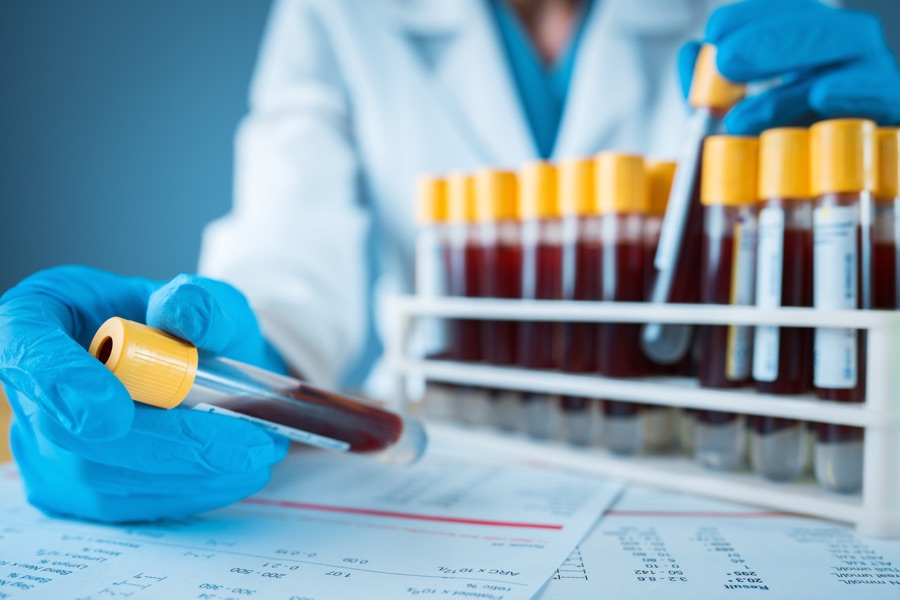
Cholesterol, glucose, inflammation and hormone panels add real-time detail to your genetic results.

How you train, sleep and recover tunes every recommendation to how you actually live.

Diet, activity, stress and environment shape your results, so guidance fits how you actually live.
This is a real FitnessGenes trait report. Every one of your 180+ reports follows the same structure — your result, the science behind it, and the actions that follow.
You carry gene variants that suggest you produce lactase in adulthood and can tolerate lactose.
Archaeological evidence suggests humans have been drinking cow's milk since at least 9,000 BC. One of its main nutrients is the sugar lactose, which we break down using an enzyme called lactase. As babies we produce high amounts of lactase; as adults, however, we stop producing it.
In the last 6,000 years or so, some humans acquired mutations that let them keep producing lactase into adulthood. This "lactase persistence" spread quickly, helping people survive famines on cow's milk and making them less likely to suffer the effects of lactose intolerance, such as bloating.
This trait looks at variants around the lactase gene (LCT), which determine whether or not you produce lactase into adulthood. This may affect your ability to tolerate lactose, although other factors are important too.
If you experience symptoms from consuming lactose, you may want to try having a lactase enzyme tablet with dairy products
These tablets aid digestion of lactose, so will help you tolerate dairy better.
Try to have 3 servings of dairy each day
Milk is full of calcium, phosphorus, magnesium and protein — all essential for healthy bones. Adequate dairy throughout life can strengthen bones, protecting against age-related declines.
You carry gene variants that suggest you produce lactase in adulthood and can tolerate lactose.
A clear priority rating for your genotype with a one-line summary of what your variants mean for you.
A live distribution shows how your result stacks up against thousands of other FitnessGenes members.
Plain-English insights break down the genetics behind your result, so you understand what's actually happening.
Try to have 3 servings of dairy each day
Specific, evidence-graded recommendations you can save, spanning nutrition, exercise, behaviour, supplements and lifestyle.
Jump straight to the actions that fit your goals, with one-tap filters across nutrition, exercise, lifestyle and more.
Hand-picked products with exclusive discounts, plus videos, articles and recipes that help you act on each result.